Espolon Blanco - The Educated Pour, Edition No. 1
This page may contain affiliate links. If you buy through them, Educated Ice™ earns a small commission at no extra cost (and likely a savings) to you. I only recommend bottles and gear I would actually use. Full disclosure.

One bottle worth knowing, every month.

Late July in Denver means every patio in the city is doing its best impression of a sauna with better lighting. I have had three margaritas made wrong for me this month, by three different bartenders, which is three times too many for a drink with exactly three ingredients. It put me in a mood to talk about tequila again. Consider this edition the correction.
The Bottle That Converts People
About seven minutes, drink in hand.

Everyone knows somebody who swears they do not like tequila. Press a little and the story is always the same: a bad night involving something cheap, a plastic bottle, maybe a lime wedge clenched like a mouthguard. Here is the part nobody told them - that bottle almost certainly was not all tequila. This edition: the $28 blanco that wins those people back, the two drinks that do the converting, and the two words on the label that separate real tequila from the stuff that gave it a bad name.
Espolon Blanco

Cirilo Oropeza started distilling in 1965 and spent three decades working other people's stills before he built his own place, Casa San Nicolas, in the highlands of Jalisco in the mid-1990s - a distillery designed to his own specifications, surrounded by the agave it would run on. Espolon launched from there in 1998. The name means "spur," the one on the back of a rooster's leg, and the rooster on the label has a name: Ramon. The label art is drawn in the style of Jose Guadalupe Posada, the 19th-century Mexican printmaker whose skeletons you know from Day of the Dead imagery. It is a bottle that looks like a party, built by a man who took the liquid inside extremely seriously. Oropeza stayed master distiller after Campari bought the brand in 2009 and remained in the role until his death in 2020.
What matters in the glass: Espolon Blanco is 100 percent Blue Weber agave, unaged, 80 proof, and usually around $25 to $30. It tastes like the plant - clean and bright, citrus up front, a little grassy, a peppery finish that stands up in a mixed drink instead of vanishing. On the tequila shelf that price is an anomaly. Most bottles this honest cost fifteen dollars more, and most bottles this cheap are not this honest.
Now the label lesson, and it is worth the price of this email. Look for the words "100% de agave" on any tequila you buy. If they are not there, the bottle is a mixto - legally tequila at just 51 percent agave, with the balance made up by other sugars. Mixto is the tequila of regrettable college nights and most bottom-shelf margarita pitchers, and it is the reason your tequila-averse friend is averse. The fix is not more money. It is those two words. Espolon carries them at a price where you can pour for a crowd without checking your account balance first.
The Margarita
The real one has three ingredients and none of them come from a plastic jug. This is the house spec, straight from the site's Cocktail Builder.
The Margarita
- 2 oz tequila blanco
- 3/4 oz fresh lime juice
- 1/2 oz Cointreau
- Optional: salt rim, lime wheel
Optional salt rim first: run a lime wedge along half the rim of a rocks glass, then dip the wet half in coarse salt. Combine tequila, fresh lime juice, and Cointreau in a shaker with ice. Shake hard 10 seconds. Strain over fresh ice in the prepared glass. Lime wheel optional.
Half the rim, not the whole thing. You want the option of salt, not a mandate.

Fresh lime is not negotiable. A Margarita is a sour, and a sour is a balance of strong, sweet, and fresh acid - swap the acid for something shelf-stable and the whole structure sags. Squeezing one lime takes thirty seconds and the difference is not subtle.
And If Your Night Runs Long: The Paloma
The Margarita is what tourists order. The Paloma is what people in Mexico actually drink at home, and it takes less work than either one of your last three drinks tonight.
The Paloma
- 2 oz tequila blanco
- 1/2 oz fresh lime juice
- Top with grapefruit soda (about 4 oz)
- Optional: salt rim, grapefruit wedge
Optional salt rim: run a lime wedge along half the rim of a highball glass and dip in coarse salt. Fill with ice. Add tequila and lime juice. Top with grapefruit soda. Stir once. Garnish with a grapefruit wedge.
Squirt is the canonical grapefruit soda here. Jarritos works. Fresca and Diet 7Up are not grapefruit soda, whatever the can implies.

Same bottle, same tequila-and-lime backbone, entirely different mood: this is the drink for a hot afternoon, not a cocktail you build with a jigger and a stopwatch. Full recipe and swap notes live in the Cocktail Builder.
El Rey

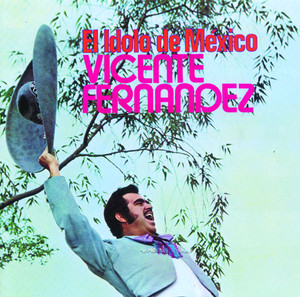
Every bottle of Espolon comes out of Jalisco - the same Mexican state that gave the world mariachi and ranchera music. So skip the beach-bar playlist. The pairing this edition is "El Rey", written by Jose Alfredo Jimenez in 1971 and made immortal by fellow Jalisco native Vicente Fernandez. It is not a song about tequila. It is a song about being broke, humbled, and refusing to lower your crown anyway - which describes most nights that end with a Margarita and a bad decision. Fernandez's recording was inducted into the Library of Congress's National Recording Registry in 2025, which is the government's way of confirming this is not just a party song. Pour the Espolon, put this on, and you will understand why it gets sung like a national anthem at every wedding, funeral, and bar in Mexico.
Skip This: Sour Mix and the "Premium" Mixto
Two things to walk past on the way to the register. The first is margarita mix, sour mix, anything in a jug that promises to be the drink minus the work. Read the ingredient panel: it is sugar, water, citric acid, and yellow dye standing in for lime juice. The drink it makes tastes like a candy version of the real thing, and the real thing needs exactly one more minute of effort.
The second is subtler - the heavily marketed bottle at $45 or $60 that does not say "100% de agave" anywhere on it. Celebrity backing and a heavy glass bottle do not change what is inside. A $28 bottle that is all agave beats a $60 bottle that is 51 percent agave in any drink you can name, and the label tells you which is which for free. Marketing is what you pay when the liquid cannot speak for itself.
One more version of the same trap, since we are on the subject: "silver" or "white" on a label is not a legal category the way "100% de agave" is. It just means unaged. A mixto can call itself silver tequila all day long. The two words on the label are the only ones doing real work; everything else on the front of the bottle is theater.
What's Actually Near You
The Bottle Compass™ is the store finder built into this site - a directory of more than 55,000 licensed liquor stores across all 50 states and the District of Columbia, built from the states' own public license records rather than reviews or ad spend. That means the list is not built around who pays the most; it is closer to a complete list of who is actually licensed to sell you a bottle near where you live.
Search your own zip code on the Bottle Compass and see what's actually near you - no login, no email, just the stores licensed to sell you a bottle where you live. If you run or know a liquor store, claiming a listing is free and takes about two minutes: real hours, a real point of contact, a shop that shows up because it is actually there - not because it bought the top spot.
Worth your click: the full field guide to agave spirits is the Tequila & Mezcal pillar; which bottles are additive-free and why that matters is the Additive-Free Tequila Guide.

The Tariff, the Takeover, and the Trailer Still Missing

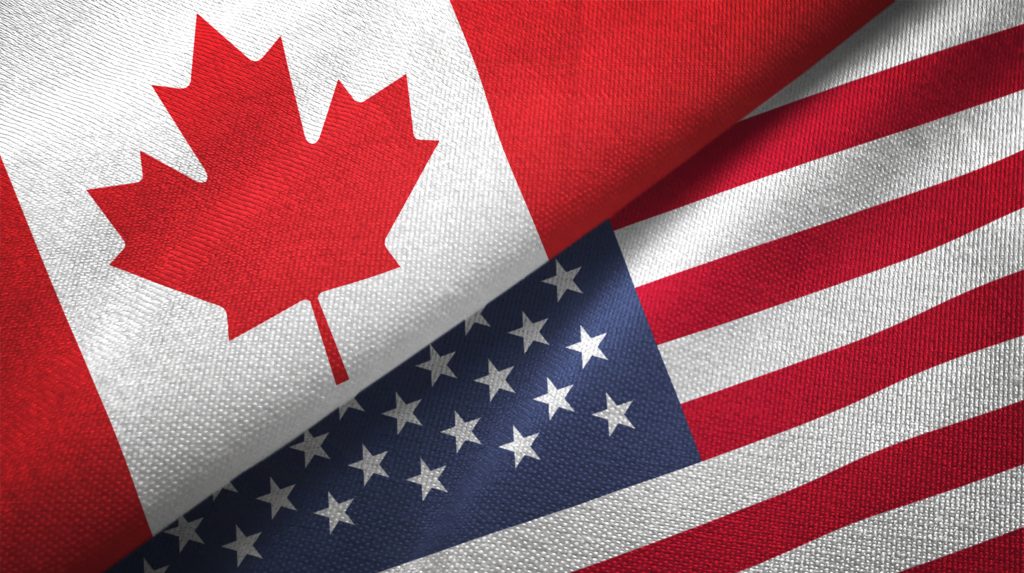
Whiskey drinkers, brace for higher prices on Canadian bottles. On July 20-21, the Trump administration announced a 50 percent tariff on a range of Canadian imports, including whisky, beer, and wine, set to take effect August 19. The stated reason is retaliation: most Canadian provinces have been blocking American alcohol from their government-run stores since last year, and US alcohol exports to Canada reportedly dropped more than 80 percent in the past year as a result. Canadian whisky brands you will actually recognize on a US shelf are a short list, but if Crown Royal or Canadian Club get more expensive at your liquor store this fall, this is why. Source.
Why it matters: cross-border trade fights keep landing on spirits shelves before they land anywhere else you would notice.

Beyonce now owns her whiskey brand outright. SirDavis, the rye-and-malted-barley American whiskey she launched in 2024 with Moet Hennessy, is going fully independent - LVMH's spirits arm has exited the partnership and Beyonce has taken full ownership, as of the last week of July. The brand is named for her paternal great-grandfather, a Texas farmer and Prohibition-era moonshiner, and it reportedly moved 25,000 cases in the US last year. It is now framed as a woman-owned, family-owned, Black-owned spirits brand, which is a different sentence than "celebrity liquor line" and worth noting as one. Source.
Why it matters: most celebrity spirits brands are licensing deals with someone else's distillery. Owning the whole thing outright is the exception, not the rule.

Somewhere in Ontario, 950 boxes of Crown Royal are still missing. Back in May, thieves broke into a fenced lot in Windsor and drove off with a semi-trailer holding more than 1,000 boxes of Crown Royal, worth roughly $500,000. Windsor police have been making arrests all summer in slow motion - one suspect turned himself in on July 10, another was picked up on July 22 - and as of the most recent count, only 66 boxes have been recovered. Do the math: that is a lot of whiskey still out there, presumably not being enjoyed responsibly. Source.
Why it matters: nothing, really. Sometimes a story just earns its spot by being ridiculous.

What is the bottle you regret buying? Not the worst drink you have ever had - the bottle. The one that looked right on the shelf, or came recommended by someone you trusted, and turned out to be a mistake you are still working through, one reluctant pour at a time.
Hit reply and tell me. Best answer runs in the next edition, first name only - and if you would rather I not quote you, say so and I will just keep it between us.
Missed an edition? Every past issue of The Educated Pour™ lives on the site - read them any time, no email required.
The ice remembers...
- H. Finch
P.S. The frozen margarita machine was invented in Dallas in 1971 by a restaurateur named Mariano Martinez, who modified a 7-Eleven Slurpee machine because his bartenders could not keep up with demand. The original lives in the Smithsonian now, which is either the most or least dignified place a slush machine has ever ended up.